Speaking in the Farming Innovations session at Oxford Farming Conference in 2023, Prof. Jacquie McGlade highlighted the types of data available to the public for free via the Copernicus programme and how the data might be used to measure the impact of management interventions or nature based solutions on-farm.
What is earth observation?
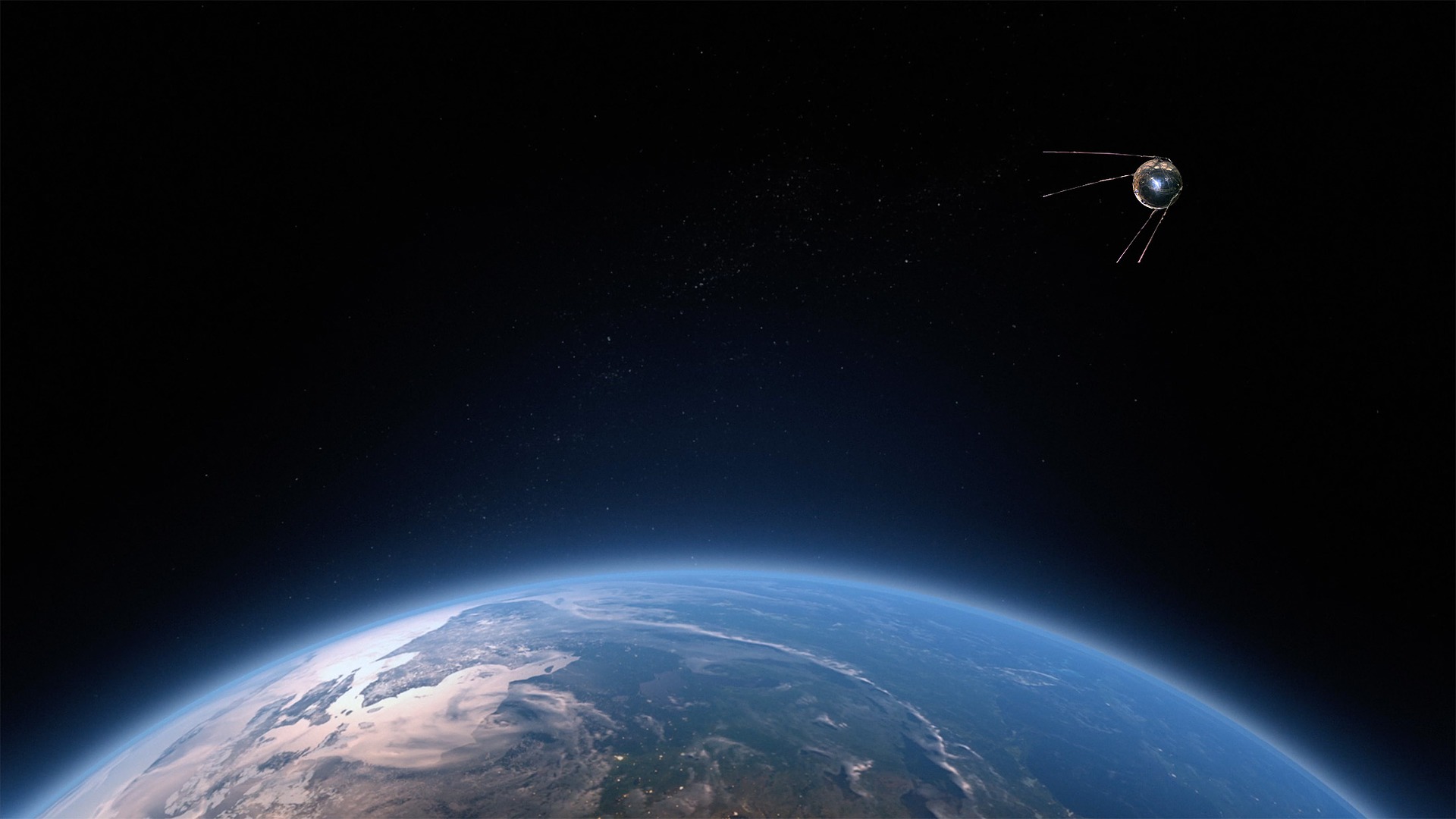
Satellite-based remote sensing can be used to gather data about the physical, chemical and biological systems of planet earth. Earth observation technologies can measure a vast range of factors, including wind speed, subterranean water and magnetic fields.
Prof. McGlade explained that in 2003, the European Union decided it needed its own space programme, to be able to use remote sensing technologies such as infrared, optics and LiDAR to measure and monitor the European continent. Initially the data was best understood through images, as it was so detailed it was almost incomprehensible to make sense of.
She shared that there was a need to combine the data in the images produced from the Copernicus programme with what was happening on the ground. A team of 6,000 scientists around the world, went out to measure soils, biodiversity and water, connecting it with the data from the instruments on the space platforms.
How can earth observation data help farmers?
Combining the data in the images from Copernicus with ground observation data provided the missing link which enabled farmers to use the data to understand what is happening on-farm.
Prof. McGlade shared that a farm can now have a ‘digital twin’. The data from earth observation technologies can be combined to provide information on soil carbon, biodiversity and water for each field, or even the corner of a field.
She said farmers can receive data which has been accurately measured at 10m resolution every 10 days. The data can be used to look back over several years to understand how changes to land use or management practices have had an impact. For example, a farmer may choose to look back to the date when they first applied biofertiliser, to understand what impact that intervention had on the land.
Earth observation is best used to understand change over time, as it does not show the variability on the ground. On the ground soil analysis can typically reveal 10 different results within a 10m2 area of a field, but earth observation data is a free resource which can be used to understand the big picture over time.
To see more on how remote sensing data can be used on-farm watch the video on the Smart Agri Hubs’ sustainability tool.