
Understanding the key principles of regenerative farming is important, but it is not the be-all-and-end-all when it comes to transitioning to a regenerative system. Practical know-how, effective measurement of progress and being set up to reap the financial rewards available are all key to a successful transition.
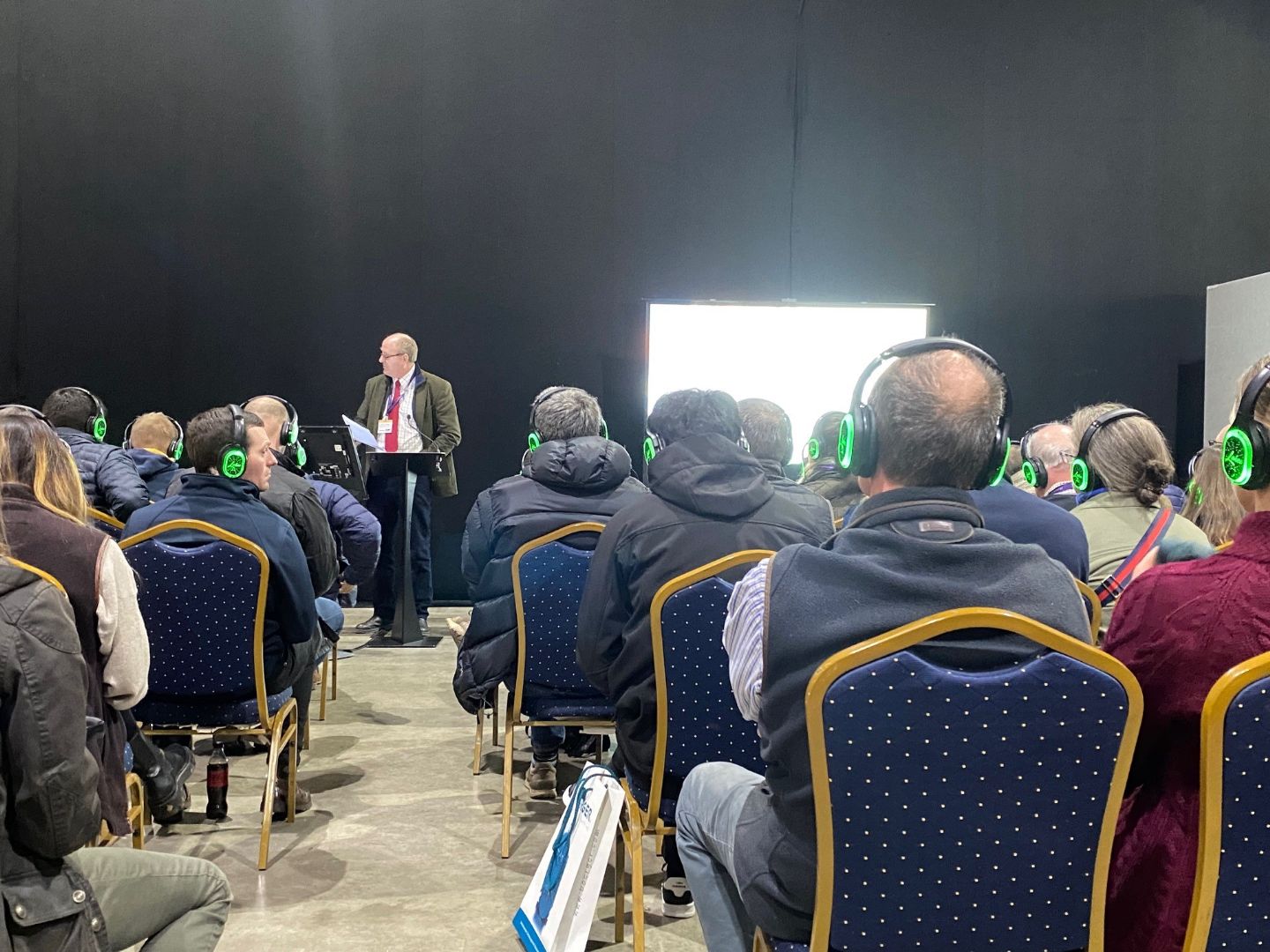
At the Low Carbon Agriculture Show (LCAS) in February 2023, IfA’s head of technical development Steve Briggs chaired a panel discussion on transitioning to regenerative agriculture. The panel included farm manager Andy Bason from Newhouse Farm, Hampshire, executive director Adele Jones from the Sustainable Food Trust, training and consulting manager Charlie Curtis from Cool Farm Alliance and Mark Ward from the engagement team at Defra.
The key areas of discussion are summarised below.
Practical guidance on transitioning to regenerative agriculture
Speaking at LCAS, Andy Bason shared the practical steps which have been undertaken at Newhouse Farm as the farm switched to a regenerative approach. These included:
- Minimising soil disturbance
- Moving away from a fixed rotation
- Careful selection of varieties – for example choosing Barley Yellow Dwarf Virus (BYDV) resistant wheat varieties
- Cover cropping for 5-6 years - during this time they have halved seed rates from the recommended rate and are still getting good establishment of cover crops
- Started agroforestry in the arable fields – this includes strips of fruit trees with a wildflower mix underneath to encourage pollinators and other biodiversity
- Using yield maps to understand where the consistently productive and unproductive areas of a field are, which can inform decision making
At Newhouse Farm, the organic matter content in the soil has increased by 1% over 6 years, while fertiliser use and red diesel use have both reduced, supporting farm business resilience and profitability. By measuring results, Andy and the team at the farm have been able to understand what is working, which has informed decision making on-farm.
Measuring progress
Fellow panel contributor, Charlie Curtis from Cool Farm Alliance, also highlighted how measurement can contribute to decision making. She shared that the process of measuring a farm’s carbon footprint can be useful to find out other information, especially if a tool is used which incorporates other factors beyond carbon, such as biodiversity and water infiltration and retention in soils.
Adding to the discussion on measurement, Adele Jones from Sustainable Food Trust spoke about the Global Food Metric. This sets out a common framework to measure whole-farm impacts in a way that is meaningful, inclusive and developed by farmers. The metric aims to overcome the lack of consensus between various standards, certifications, food processors, retailers or governments about what to measure and how, which is leading to a vast amount of admin and duplication for many farmers.
Adele shared that by creating a common language to measure the sustainability of food and farming systems:
- Farmers and land managers can understand the sustainability of their current systems and what they can do to improve
- Governments can understand which food production systems to support to get the environmental and food security outcomes they want
- Food companies can use the data to decide which producers to source from
- The data can inform eco-labelling of food, enabling consumers to understand what the most sustainable and healthy options are
Funding regenerative farming
Mark Ward, from the engagement team at Defra, joined the panel discussion to provide an update on the Environmental Land Management Scheme (ELMS). He said that the Sustainable Farming Incentive (SFI) has the potential to be the spark which sets many farms off onto a regenerative transition journey.
He shared that Defra’s ambition is for 60% of England’s farms to be under sustainable management by 2030. He highlighted the 6 new standards which have been made available this year, as well as the agroforestry standard which is set to come out in 2024.
For more insights into regenerative farming enter your email below to sign up to our monthly newsletter, which frequently includes updates and insights from IfA projects and from leading regenerative farmers and industry specialists.