
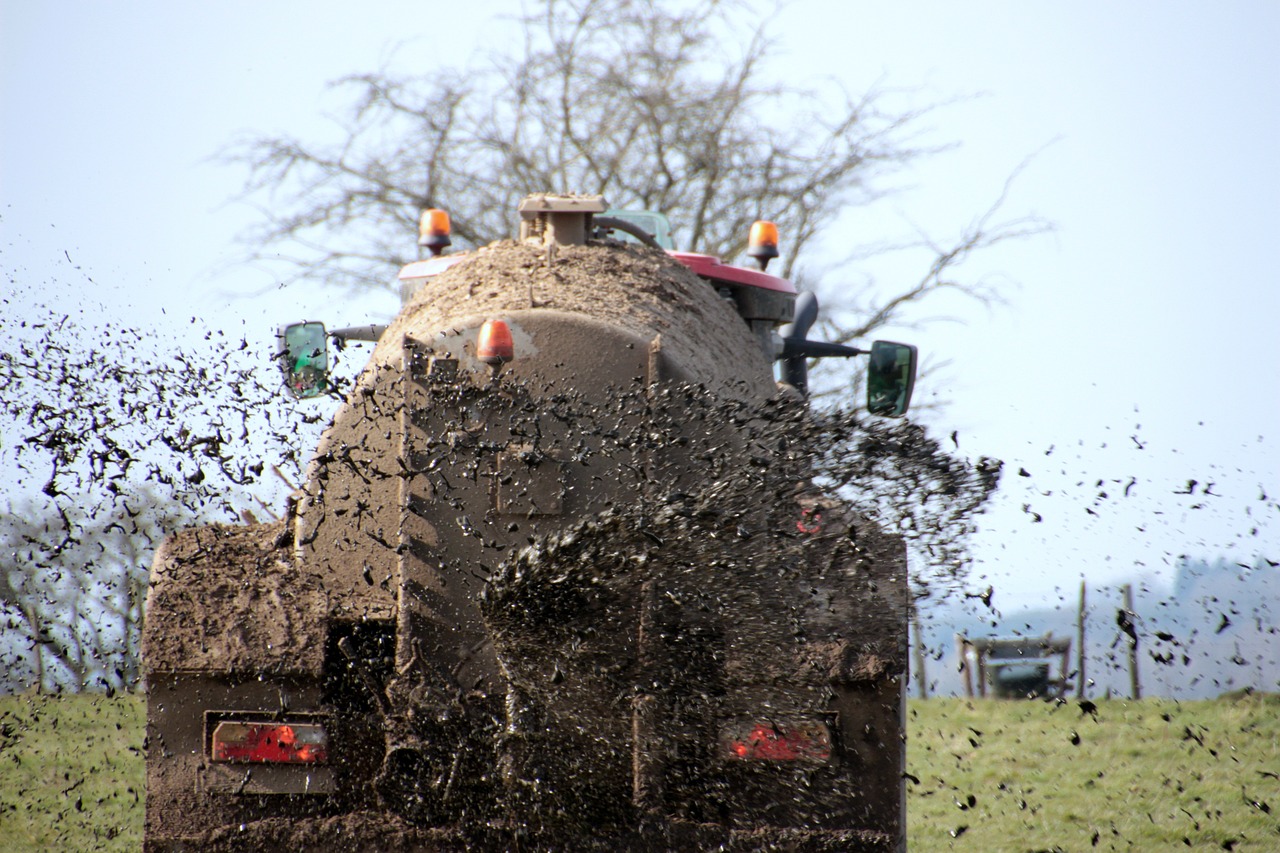
In April 2024, the midlands group from the Agricultural Immersion Centre met with individuals from the Netherlands, Denmark and Germany to discuss the challenges relating to nutrient management, ways to reduce the risk of pollution from applications, and the policies and regulations in place in different countries.
The online meeting was an opportunity for all participants to learn from how farms in other countries address nutrient management challenges and to understand the impact of different policies and regulations.
Mitigating nutrient management challenges
Getting the basics right was considered key to mitigating problems among participants from all countries. The participants identified some key actions to mitigate nutrient management challenges:
- Test soils to inform the nutrient management plan for a farm
- Separate slurry into N-rich liquid portion and P-rich solid portion to allow for more targeted applications according to what the soil needs. However, in the Netherlands they have restricted use of the P-rich portion which has negatively impacted soil organic matter content, so more may need to be done in this area.
- Ensure there is enough slurry storage (keep in mind that the legal minimum requirement for 4-months often is not enough) and cover stores to avoid the addition of rainwater taking up valuable space!
The group also discussed some of the technologies being developed to help reduce emissions, split out the nutrient profile, and make organic waste more transportable to help get the right nutrients to the soils that need them.
Policy and regulations
When it came to discussing the policies and regulations in different countries, there was evident frustration.
The general feeling was that policy is focused on minimising applications of excess nutrients to soil and pollution resulting from applications, without much consideration for food production or food security. Policy appears to be aiming for zero pollution, which the group felt was unrealistic – there is a need to minimise risk of pollution and adhere to responsible nutrition management, but also to focus on what is achievable.
In the Netherlands and Denmark, non-compliance was generally met with farms going out of business, rather than supporting farmers to make changes. An example shared was the requirement for cover crops to be established by a specific date and fines issued for failing to do so, regardless of when the preceding cash crop had been harvested or changes in weather affecting growing seasons.
All agreed policymakers were generally uninformed about farming, that the farming vote didn’t represent a significant majority and that to be fit for purpose, regulations needed to build-in a certain level of flexibility and nuance to allow for different farms/soil types, weather conditions and growing seasons.
Where does this leave us? In the Netherlands, they are working hard to establish systems to be more data and evidence-led and are hoping this will help to inform policies going forward. This includes collecting data on soil types, application rates, and so forth to inform targets and defend challenges.
Voluntary industry-led approaches have helped to ease political pressures, for example with regards to antimicrobial resistance. In the UK, RUMA collects and publishes medicines sales data in annual reports, allowing them to evidence downward trends in the use of critically important antimicrobials in farming. This transparency generates a greater level of trust – even if there is an increase, it can be explained by what’s happening in the wider context, and having figures allows industry to demonstrate continual improvements through setting achievable reduction targets.
To stay up to date with further updates from the Agricultural Immersion Centre groups sign up to the Innovation for Agriculture monthly newsletter.