
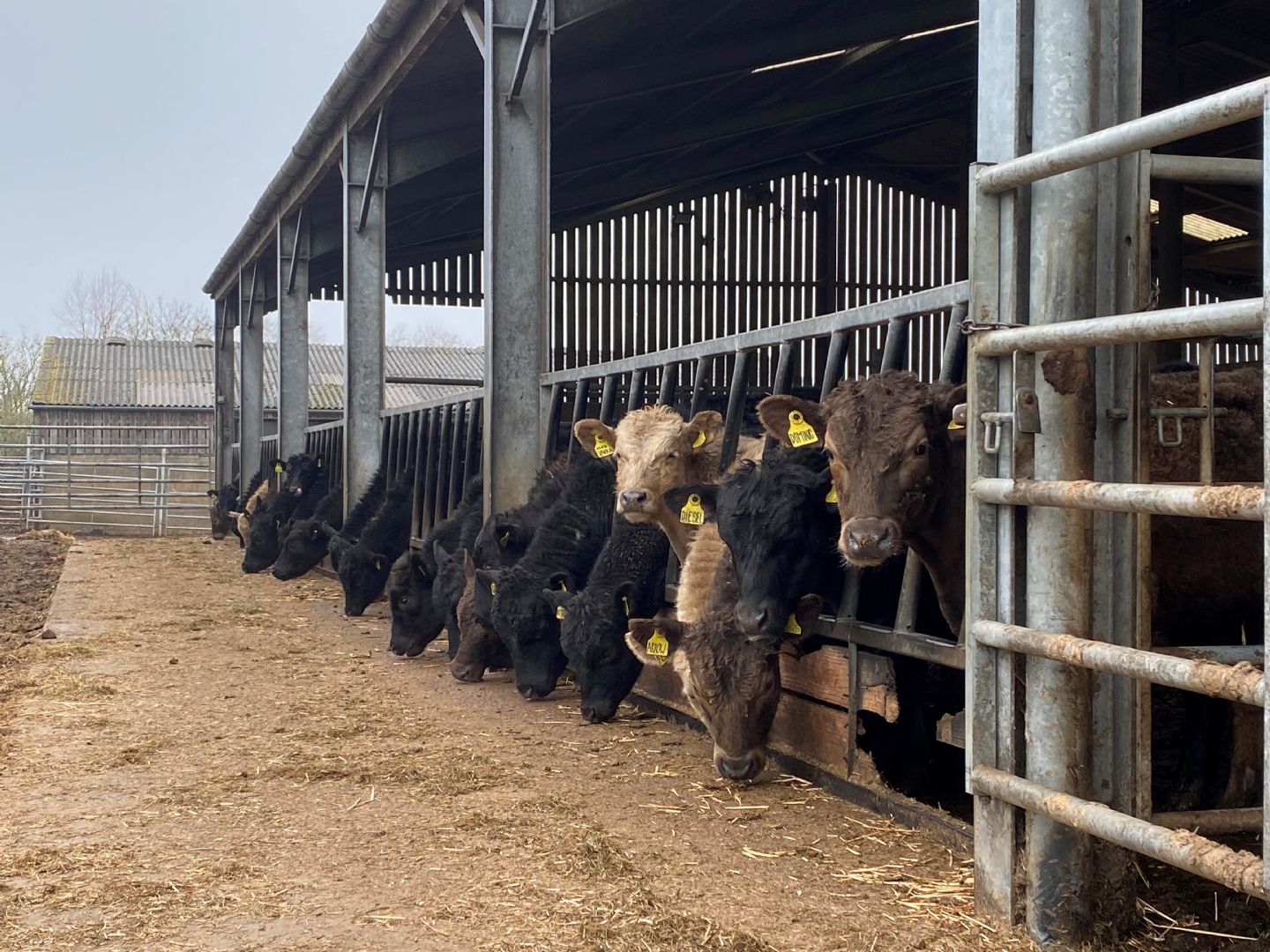
Robotic sorting and handling systems are transforming livestock management in the UK, offering a stress reducing, efficient, and welfare focused approach to routine tasks such as vaccination, weighing, movement between pens, and transport. These systems enable farmers and vets to monitor, sort, and manage livestock with minimal physical intervention. This boosts productivity while enhancing animal health and comfort.
The importance of efficient handling
Livestock handling, especially sorting and routine procedures can be stressful for animals and labour-intensive for farmers. When animals are moved or restrained, they can panic, increasing risk of injury and stress that may impact immunity or growth. Automation offers a way to carry out handling tasks calmly, consistently, and precisely.
Why early care matters
Stress during handling can reduce feed intake, growth rates, and overall health. Automated systems help maintain calm environments, ensuring animals experience less anxiety. By sorting individual animals (for vaccination, weighing, or separation) earlier in their lifecycle, farmers can intervene promptly and support healthier development and more reliable performance.
What are robotic sorting and handling systems?
These systems often consist of automated races, gates, and weigh scales combined with electronically controlled crushes or pens. Integrated RFID or electronic identification enables precise sorting and recording. Mobile or stationary robotic handling units can guide an animal into position without manual stress. Some systems integrate sensors to detect weight and health indicators and sort animals accordingly.
The process in practice
- Animals wear Radio Frequency Identification (RFID) or ear tags.
- The system recognises each animal and opens sorting gates automatically.
- The animal enters a handling unit (such as a crush or race) with minimal human guidance.
- Weighing, vaccination, or veterinary inspection is performed.
- The animal is released into its appropriate group or pen.
Data is logged automatically, usually linked to a mobile app which enables management of herd health, growth tracking, and scheduling of tasks.
UK companies offering robotic handling & sorting
|
Company |
Automation Level |
Species Focus |
Key Features |
Integration/Tech Compatibility |
Typical Use Case |
|
||
|
Thorburn Group (CLIPEX / Premier Equipment) |
Medium–High |
Sheep & Cattle |
Hydraulic or automatic sheep handlers, adjustable cattle races, silent crushes |
RFID compatible, good for future automation |
Mid–large farms focusing on calm handling & welfare |
Yes |
||
|
Allflex / Alligator Pro |
Medium |
Sheep |
Mobile units with weighing, dosing & EID integration |
RFID/EID, syncs with livestock software |
Flock management, mobile tasks |
Yes (UK ops) |
||
|
Livestock Management Systems |
Low–Medium |
Cattle & Sheep |
Modular yards, crushes, weigh systems—can be automation-ready |
Supports modular upgrades, semi-automated |
Farms starting to modernise handling infrastructure |
Yes |
||
|
Arrowquip UK |
Medium–High |
Cattle |
Quiet hydraulic systems, safe crushes, anti-stress layouts |
Limited smart integration, but highly welfare-friendly |
Intensive beef/dairy operations |
UK distributor |
||
|
iLivestock |
Low–Medium |
All (esp. sheep & cattle) |
Digital herd management; exploring hardware integration |
Strong software capabilities, RFID compatible |
Farmers with existing EID looking to digitise data |
Yes |
||
|
UKKÖ Robotics (Canada) |
High (experimental) |
|
Sensor-driven mobile units for feeding& welfare—future potential for sorting |
Smart sensors, AI, data-driven infrastructure |
Vision for autonomous sorting & management |
Available via import |
Key benefits for UK livestock farmers:
- Improved animal welfare & reduced stress
Gentle movement through systems, quieter equipment, and automatic gates help maintain calmer animals, reducing risk of injury and stress related performance lags.
- Enhanced biosecurity and precision
Individual handling means vaccinations, weighing, and treatments are targeted, reducing illness spread and improving record keeping accuracy.
- Labour efficiency & cost savings
Automated gates, weighing, and sorting reduce manual labour needs and time spent handling animals. This is especially valuable during busy periods or for larger herds.
- Better data driven decisions
When RFID tags and software are linked to handling systems, information on growth, health, vaccination status, and group allocation is collected automatically, improving on-farm decision making.
Future opportunities for robotic sorting systems
As AI, machine vision, and remote monitoring evolve, future systems may identify animals in need of attention (e.g. slower growers, heat detection, or illness), and automatically guide them for treatment. Combining mobile robots with static handling infrastructure, perhaps inspired by UKKÖ’s sensor-based ROVA-style approach, could enable precision sorting, dosing, and environmental control with minimal human input.
Recommended next steps for interested farmers:
- Assess your current handling infrastructure and animal flow.
- Contact suppliers like Thorburn Group or Allflex for a needs assessment and quote.
- Explore grant opportunities (e.g., UK Farming Equipment & Technology Fund) to support investment.
- Pilot RFID-enabled handling gates or electronic weigh units first.
- Plan integration with farm data software (e.g. iLivestock or existing EID systems).
By adopting robotic and automated sorting and handling systems, UK farmers can transform livestock operations. This will boost efficiency, animal welfare, and data insights while lowering labour demands. This modern approach supports a proactive, precise, and sustainable future for farm animal management.
By Catherine Carlton, Livestock project assistant at Innovation for Agriculture