
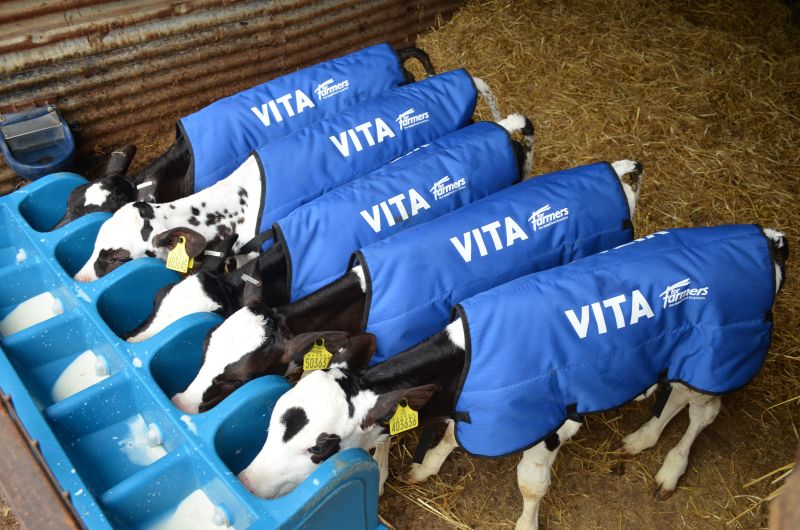
Milk feeding in the first weeks of life has a major influence on calf growth and development. Speaking at the Calf Action Conference in April 2026, Ann Coombes from ForFarmers shared some pointers to help farmers and calf rearers identify opportunities for improvement in their milk feeding practices and routines.
What do calves need?
During the first three weeks of life, calves rely primarily on milk for energy and nutrients. Fresh water should always be available, while offering concentrates early helps stimulate rumen development.
Calves need sufficient energy to maintain bodily functions and keep warm, as well as enough protein to support growth. Ann explained that calves require around 240 g of protein per day to achieve growth rates of 0.8 kg/day.
She highlighted that many feeding programmes fall short of this target. For example, a calf receiving 900 g/day of feed at 23% protein may not receive sufficient protein to achieve 0.8 kg/day growth.
Whole milk vs milk replacer
Whole milk and milk replacer each offer pros and cons at the early stages of calf rearing.
Feeding whole milk
The big benefit of whole milk is that it is free, however the levels of fats and proteins are constantly changing, so it’s difficult to know what nutrition is being received by the calves. There is also disease risk with whole milk, so it is essential to ensure clean whole milk is being fed.
What about transition milk?
Research discussed at the conference by Ryan Davies from SCCL suggests that pooling milk from fresh cows and feeding to young calves from day two onwards – after they have received sufficient high quality colostrum – may improve performance in young calves because of its higher nutrient content.
Another option is to mix colostrum with whole milk. Research is ongoing to understand optimal dose of colostrum, but with both transition milk and extended colostrum feeding, the greater benefits are seen in younger calves.
Feeding milk replacers
With milk replacers, Ann shared that the main benefit is the same thing is being fed every day, and calves thrive on consistency. However, milk replacers vary widely, so it is important to check energy and protein content to ensure calves are getting enough of both.
Additionally, with milk replacer there is no risk of disease transfer from cows, but good hygiene practices remain important to prevent disease.
Best of both?
Some producers choose to fortify whole milk with milk replacer. This can improve consistency and nutritional value while helping manage feeding costs.
Calf feeding and oesophagel groove reflex
For milk to bypass the rumen and enter the abomasum, calves rely on the oesophageal groove reflex. Inconsistent feeding routines can increase the risk of milk entering the rumen, which may affect digestion. Anne recommended maintaining consistency by:
- Feeding calves at the same time of day
- Ensuring teats are positioned consistently 60-65cm from the ground and not worn/with splits in teats
- Feeding milk at the correct temperature 38-40’
Getting the most from milk replacers
Consistency during mixing is important. Insufficient mixing can lead to variation between feeds, while excessive mixing can create foam. Temperature also matters, as milk that is too cold may increase the risk of oesophageal groove dysfunction, while excessively high temperatures can denature proteins.
Using automation to improve consistency
Automation of feeding milk replacer can be a gamechanger by tailoring feed delivery to individual calves, controlling temperature and concentration and incorporating thorough hygiene routines. O’Donovan Engineering attended the Calf Action Conference with their Urban Automatic Calf Feeding System to provide an example of this.
While there is no single approach that suits every system, Ann was clear that consistency is key. Whether feeding whole milk, milk replacer or a combination of both, careful attention to nutrient supply, hygiene and routine can help calves achieve their full potential.
Ann's session was one of several at the Calf Action Conference exploring practical ways to improve consistency in calf rearing and support the delivery of the GB Calf Strategy.